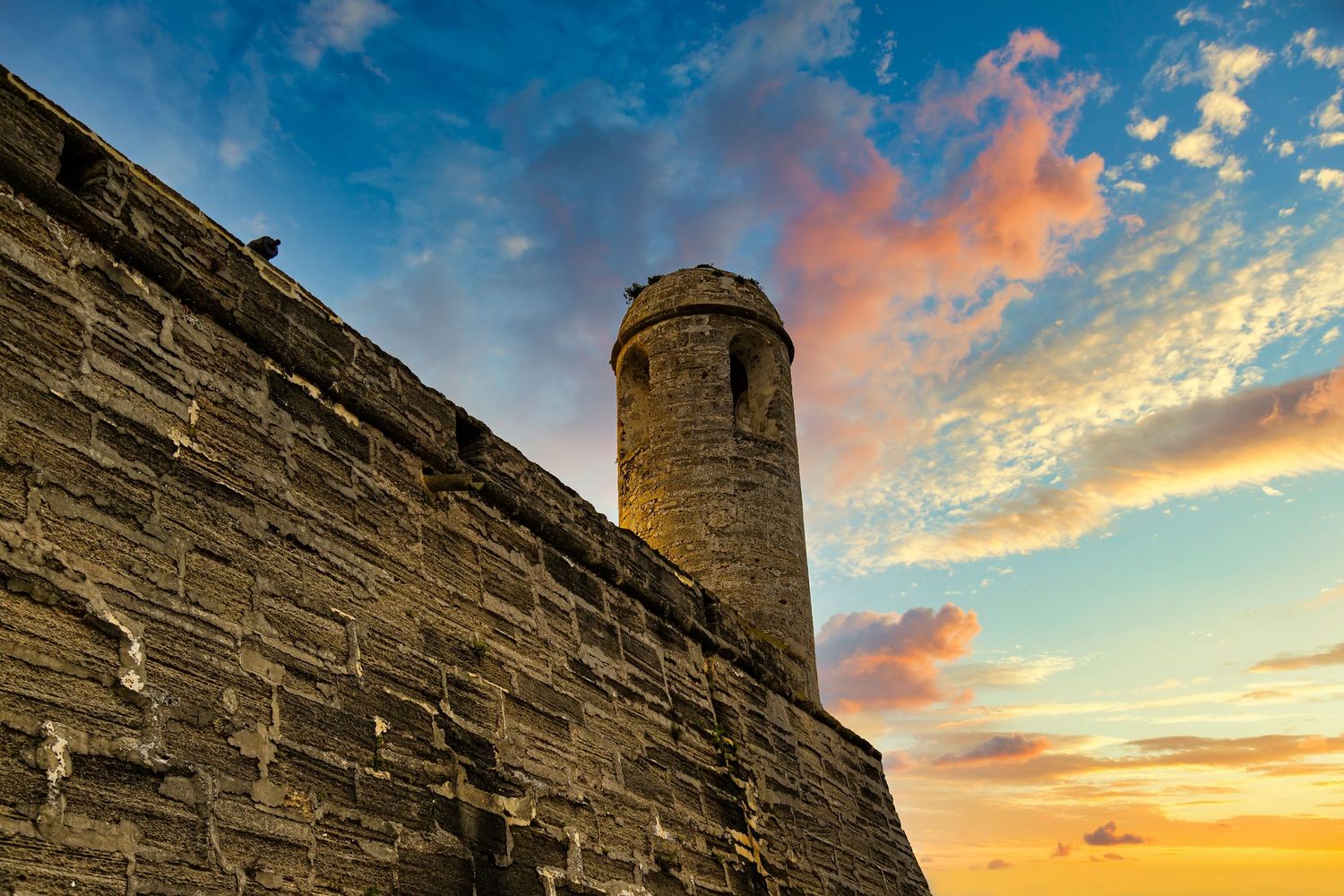
Here's the thing about St. Augustine that nobody really talks about, it doesn't feel like Florida.
I mean, sure, there are palm trees and the humidity will make your hair do things you didn't know were physically possible, but when you're standing on those brick streets at dawn (before the tour buses arrive, trust me on this one), it feels like you've slipped through a crack in time. The light hits those coquina walls, those rough, shell-studded walls that have been standing for literally hundreds of years, and you realize you're looking at something that was already old when the rest of America was still figuring itself out.
I've taken hundreds of photos in St. Augustine over the years. Hundreds. And every single time I go back, I find something new. Or maybe I find something old that I'm finally ready to see? (Deep thoughts before coffee, sorry.)
But here's what I've learned: there's a specific kind of soul that these old places have, and when you bring that feeling into your home through the right photography, it changes the whole vibe of your space.
The Texture of Time (And Why It Matters)
You know how some homes feel... generic? Like they could be anywhere? St. Augustine is the exact opposite of that. It's aggressively, unapologetically itself.
The city was founded in 1565, which, let's pause on that for a second, that's four hundred years old. While most American cities were still dreams in somebody's head, St. Augustine was already dealing with its second generation of residents complaining about how things used to be better. (Some things never change, I guess.)
What makes this place so visually stunning for photography isn't just the age, it's the layers. You've got Spanish colonial architecture sitting next to buildings from the Flagler Era (that's the 1880s-1890s, when Henry Flagler basically decided St. Augustine should be fancy). Then there's stuff from the 1920s Florida Boom mixed in. It's like looking at a family photo album where every generation showed up to the reunion.
The coquina walls, though. Those are the real stars of the show.
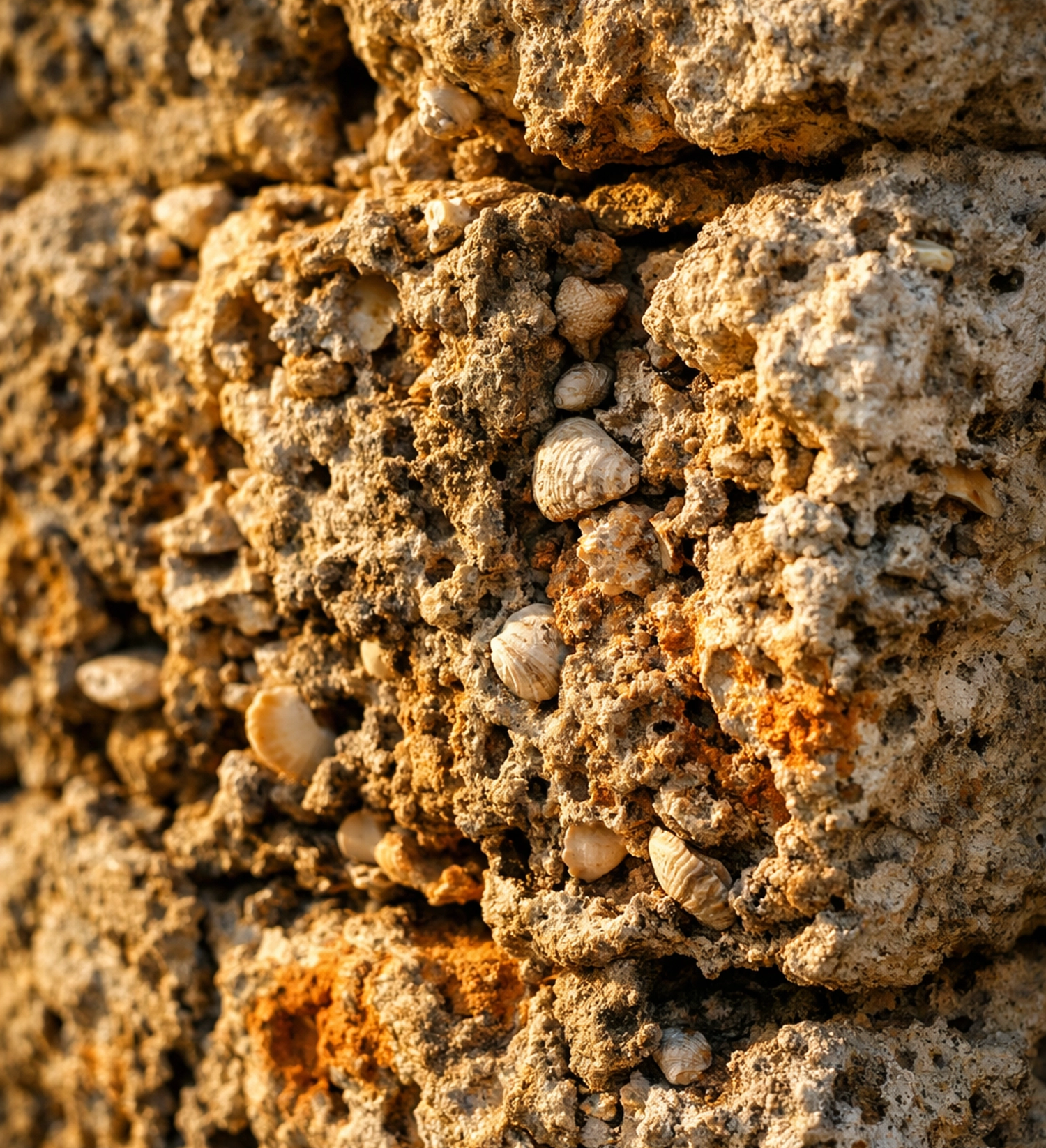
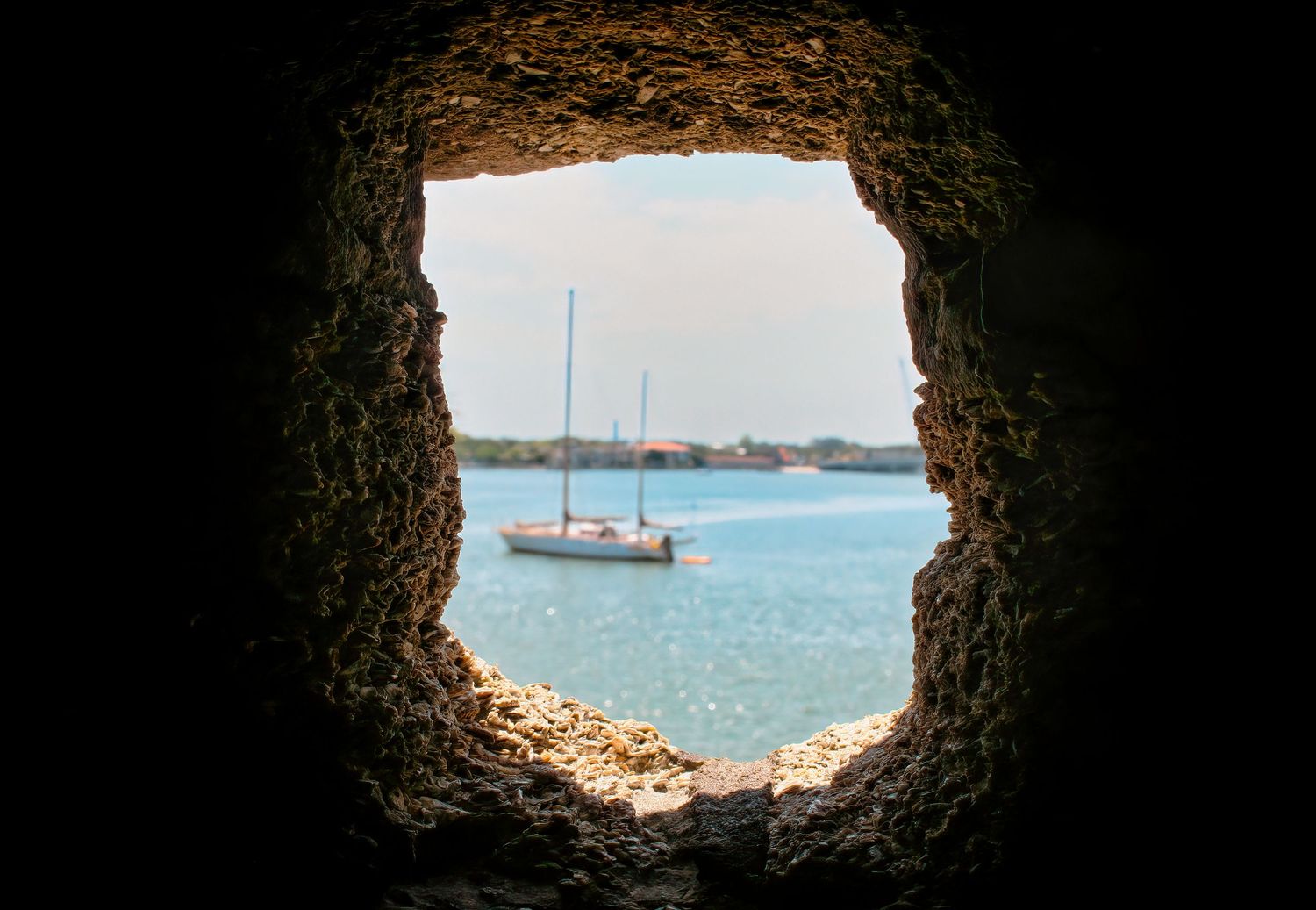
Coquina is this unique limestone made from compressed shells and coral, basically, the ocean decided to become a building material. It's soft enough to carve but tough enough to withstand cannonballs (which, fun fact, came up more than once in St. Augustine's history). The texture is incredible. Rough, pitted, with these subtle variations in color that change depending on the light. Golden in the morning, almost glowing at sunset, moody and mysterious when storm clouds roll in.
When you photograph these walls up close, you're not just capturing a surface, you're capturing centuries of weathering, of survival, of stories you'll never fully know.
Why Historical Photography Hits Different
Here's where I might lose some people, but stay with me: not all art has the same... weight.
I'm not saying one type is better than another (okay, I kind of am, but that's just my opinion, man). What I'm saying is that when you hang a photograph of a place with real history on your wall, it brings something into your space that a generic "Live Laugh Love" print from a big box store just... can't.
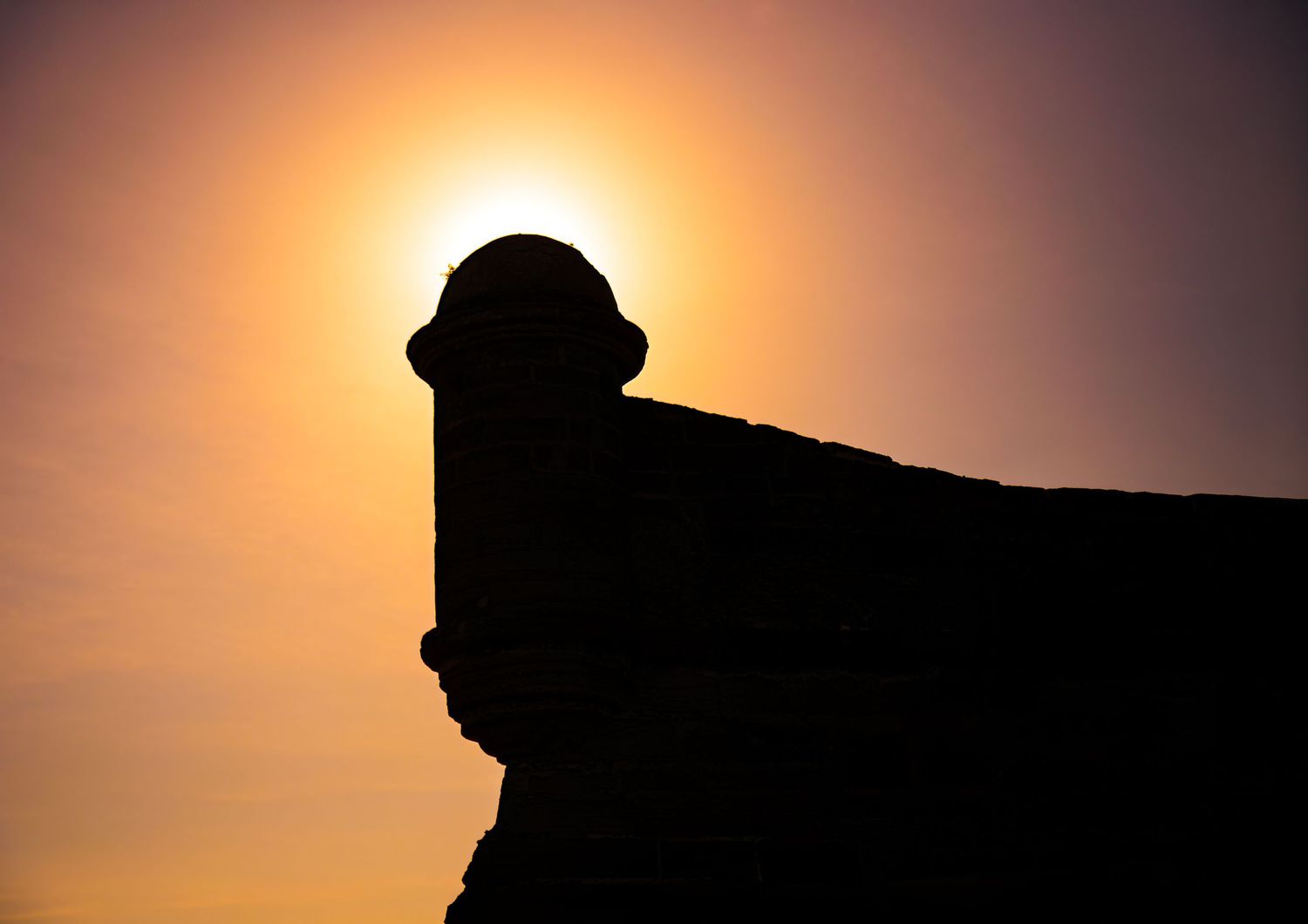
It's the difference between decoration and atmosphere.
When you look at a print of St. Augustine's brick streets, those narrow, uneven streets that were laid out according to the 1573 Laws of the Indies (yes, there were actual laws about how to build colonial towns), you're connecting to something bigger than yourself. You're bringing a piece of a place that watched empires rise and fall into your living room.
That sounds dramatic. It is dramatic. But it's also true.
I have this one photograph of a doorway in the historic district, dark wood, weathered paint, a street number that's so faded you can barely read it, and every time I look at it, I wonder about the people who walked through that door. Who were they? What were they worried about? Did they also stress about whether their hair looked okay in the humidity? (Probably not, but you never know.)
That's the kind of art that starts conversations. That makes people pause when they walk into your home and ask, "Wait, where is that?"
The Old World Feeling (In a Very New World)
America doesn't have a lot of "old" by European standards. We're basically the teenager of countries, still figuring things out, still occasionally making questionable fashion choices. But St. Augustine? St. Augustine is our one shot at that weathered, seen-some-things, "I've got stories kid" energy.
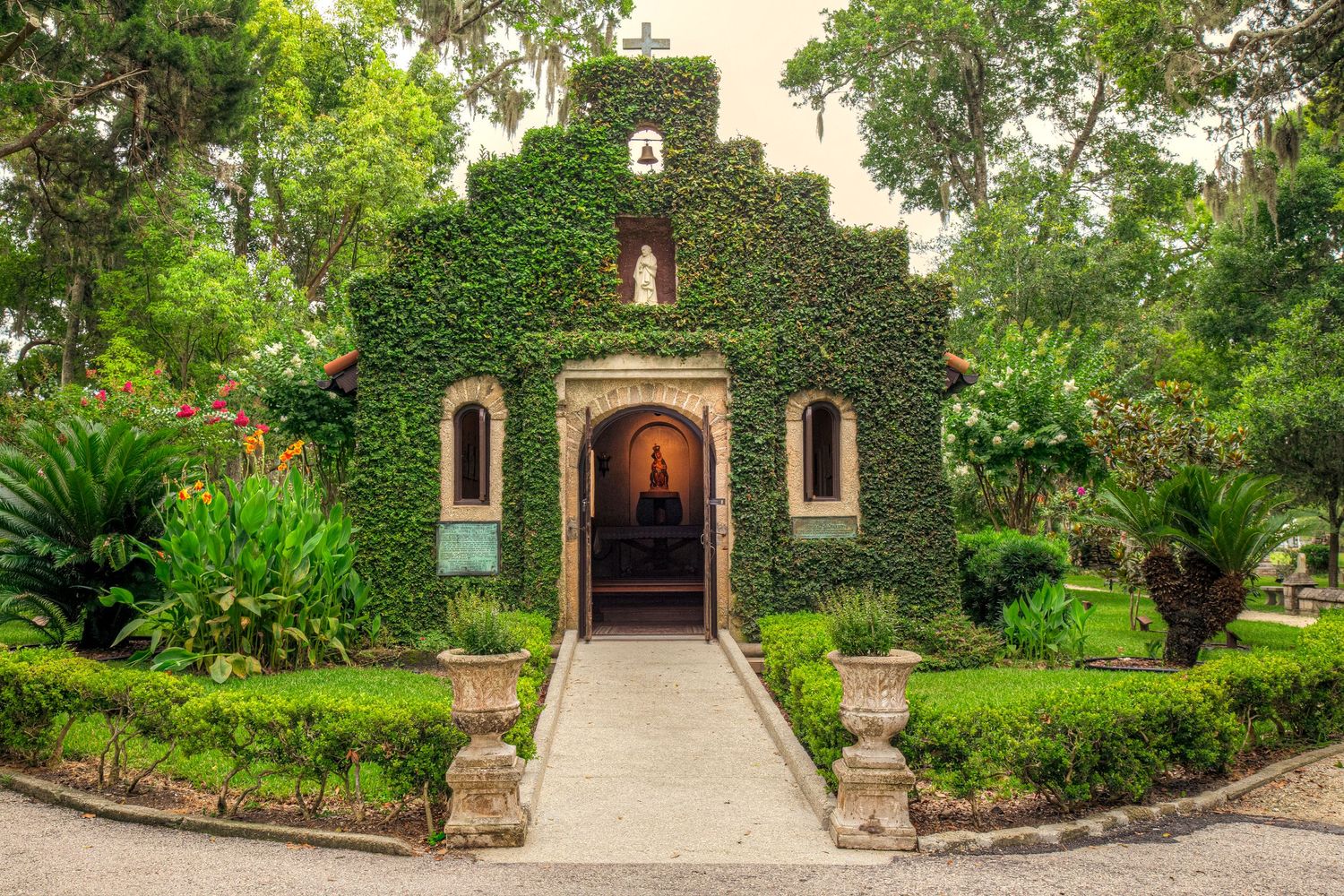
The balconied houses. The central plaza. The Spanish moss hanging from live oaks like nature's own curtains. The way the morning fog rolls off the Matanzas River and wraps around everything like a secret.
When you hang historical photography from St. Augustine in your home, you're importing that timeless quality. You're saying, "Yeah, I appreciate things that last. Things with substance. Things that aren't just trendy for five minutes and then forgotten."
(This is coming from someone who definitely doom scrolls Instagram more than I should, so trust me, I get the irony.)
But seriously, in a world that moves so fast that yesterday's news is already ancient history, there's something deeply grounding about looking at a photograph of a place that's been standing strong for four centuries. It puts things in perspective, don't ya think?
How to Style This Soul in Your Space
Okay, practical stuff time because I can hear some of you thinking, "This is great Sarah, but how do I actually make this work in my house?"
Fair question.
Historical photography, especially the kind with deep shadows, rich textures, and that old-world moodiness, works best in spaces where you want to create a sense of calm, reflection, or sophisticated character.
Think about your living room, but specifically that wall you've been staring at for six months trying to figure out what to do with it. (We all have that wall. Don't lie.) A large fine art print of St. Augustine's architectural details, maybe a close-up of a coquina wall or a wide shot of those brick streets at dawn, can become an instant focal point. It adds depth and history without screaming for attention.
In a home office or library (if you're fancy enough to have a library, in which case, can we be friends?), historical photography creates an atmosphere of contemplation. It pairs beautifully with dark wood furniture, leather, warm lighting. It says, "I'm here to think deep thoughts," even if what you're actually doing is online shopping and pretending to work.
Bedrooms are another great spot. There's something calming about having these timeless images around you as you wind down. They're not demanding or bright or busy, they're just... there. Steady. Grounding.
The key is to not overthink it. If a photograph makes you feel something, if it makes you pause, if it makes you wonder, if it gives you that "I need to breathe" moment we talked about in our last post (yes, I'm calling back to my own content, sue me): then it belongs in your space.
The Fine Art Print Difference
Now, full transparency time: I'm obviously biased here because this is literally what I do. But there's a real, tangible difference between scrolling past a pretty picture on your phone and actually owning a fine art print of it.
Fine art photography prints are made to last. We're talking archival inks, high-quality paper or canvas, proper mounting. These aren't the kind of prints that fade in six months or curl at the edges. They're designed to be in your home for years: maybe even long enough to become part of your family's history.
When I print my St. Augustine work, I'm thinking about how that image will look on someone's wall in ten years, twenty years. Will it still capture that feeling? Will it still tell that story?
That's the goal, anyway.
Bringing It All Home (Literally)
Here's what I keep coming back to: St. Augustine isn't just a pretty place to visit and take selfies (though, let's be real, it's great for that too). It's a place with soul. It's got character earned through centuries of survival: through fires, hurricanes, wars, reconstructions, and probably some really awkward colonial town meetings.
When you bring photography of the Ancient City into your home, you're not just decorating. You're curating an atmosphere. You're choosing to surround yourself with something that has weight, history, meaning.
You're saying, "I want my space to feel like something."
And in a world full of fast furniture and disposable everything, that feels kind of... revolutionary?
Maybe that's too strong a word. Maybe it's just nice. Maybe it's just about creating a home that feels like yours: a place where every piece tells a story, even if it's not your own story.
Either way, if you've been thinking about adding some historical photography to your walls, check out my portfolio. I've got hundreds of St. Augustine shots just waiting to find their home.
And if you've got questions about what might work in your space, or if you just want to nerd out about coquina walls and Spanish colonial architecture for a while, reach out. I'm always here for that conversation.
Because at the end of the day, that's what good photography does: it starts conversations. Even if it's just with yourself, standing in your living room, wondering about all the stories those old walls could tell.
